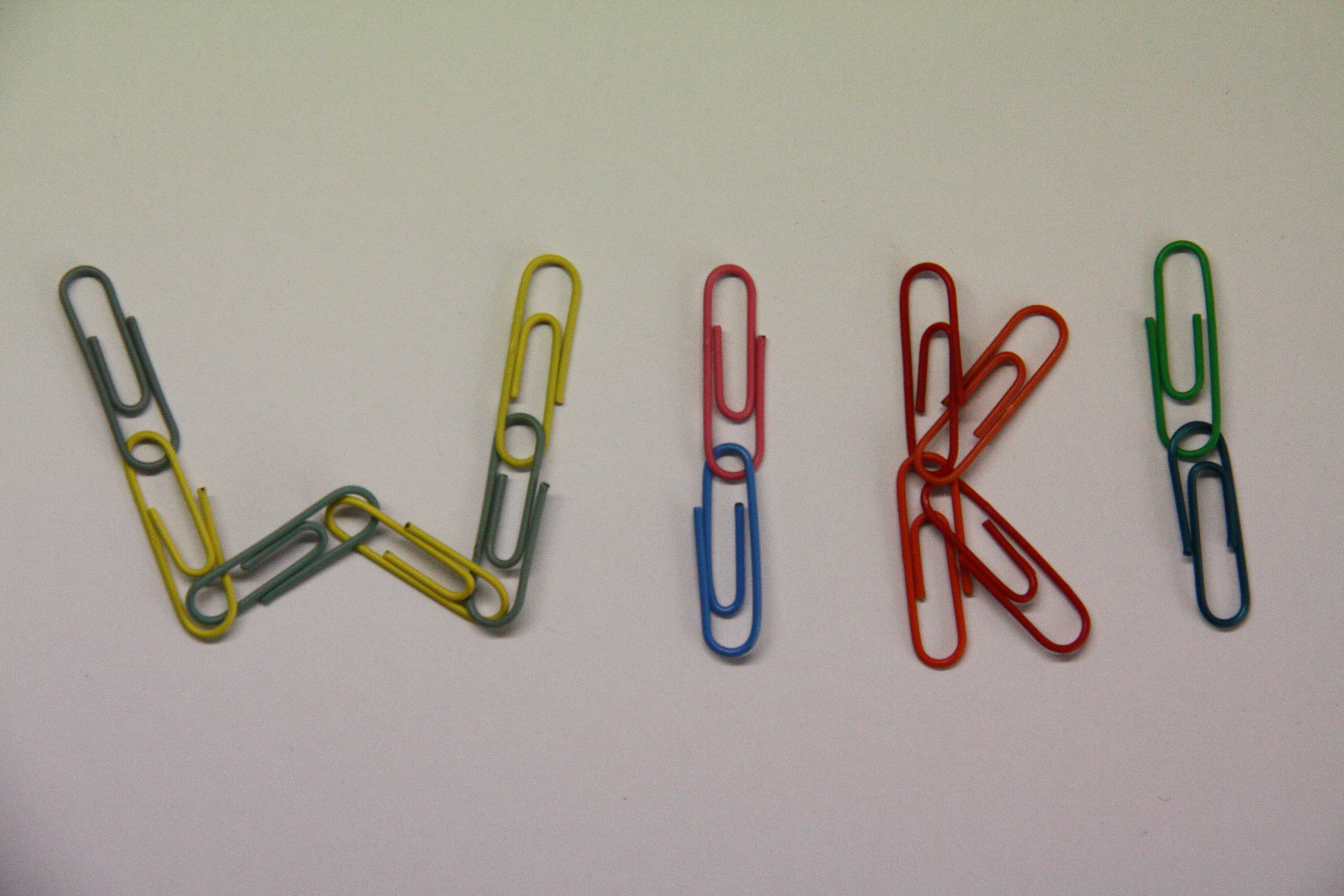
This is a demo website. It is intentionally non-commercial and designed to present a detailed,
PG overview of paper clips from early document-fastening tools to modern office and household use.
Demo notice: this site exists for presentation/testing purposes only and is not intended for SEO or public indexing.
Timeline: Invention to Today
Before the paper clip (pre-1800s): Offices relied on straight pins, wax seals, thread, and ribbon to hold papers. These methods worked but were slower, less reusable, or more likely to damage documents.
1830s to 1860s: As business correspondence and filing grew, inventors began trying bent-wire fasteners that could grip paper edges without cutting or punching holes.
1867: Samuel B. Fay received U.S. Patent 64,088 for a bent wire device mainly intended to attach tickets to textiles. It is one of the earliest patented wire clips and an important step in clip design history.
1877: Erlman J. Wright received U.S. Patent 186,844 for another document-fastening clip concept, showing ongoing experimentation with spring-wire forms.
1890s: The familiar double-oval "Gem" style became widely sold in Britain and the United States. The exact inventor is uncertain, but this shape proved cheap to make and easy to use, so it spread quickly in offices.
1899 to 1901: Norwegian inventor Johan Vaaler secured patents in Germany (1899) and the U.S. (1901) for a clip design. His version is historically important but not the same as the standard Gem form used worldwide.
Early 1900s: Paper clips became routine desk supplies as typewriters, carbon copies, and larger filing systems increased the need for temporary, non-destructive page grouping.
1910s to 1930s: Manufacturers standardized wire gauge, finish, and packaging; clips were sold in labeled boxes and became a low-cost, high-volume office commodity.
1940s (symbolic use): In occupied Norway during World War II, paper clips were worn as a quiet symbol of unity and resistance, adding cultural meaning to an everyday object.
Late 20th century: New variants appeared, including vinyl-coated clips, jumbo clips, and specialty binding clips for thicker stacks. Even with photocopying and early digital tools, clips remained common.
Today: Paper clips are still used in schools, offices, mailrooms, and homes for sorting, temporary bundling, labeling, cable management, and light craft projects.
How Uses Changed Over Time
First practical role: Fast, reversible attachment of related papers without tearing pages.
Office workflow impact: Clips allowed clerks to sort documents in batches before final filing, which improved speed in ledger, legal, and correspondence work.
Cost and scale: Wire-form manufacturing made clips cheap enough for everyday use, helping them replace pins for many routine tasks.
Safety and preservation: Compared with pins, clips reduced accidental punctures and preserved paper integrity better for records that needed frequent handling.
Design reasons for staying power: The Gem-style loop distributes pressure across edges, balancing grip strength with minimal page damage.
Modern office uses: Temporary packet assembly, color-coded task grouping, attaching notes or routing slips, and short-term archival staging.
Modern home/school uses: Bookmarking, organizing receipts, closing snack bags, cable labeling, and small craft assemblies.
Digital-era relevance: Even with cloud docs and e-signatures, physical paperwork still exists in healthcare, education, legal work, logistics, and government offices, where clips remain useful.
Material and Manufacturing Snapshot
Most standard clips are made from low-carbon steel wire, then zinc-plated or otherwise coated to reduce corrosion.
The wire is fed through forming dies, bent into repeated loops, cut to length, and boxed in bulk quantities.
Coated and plastic-sleeved variants improve grip and visibility but are built on the same basic spring-wire principle developed in the late 19th century.
Paper Clip Photos, Usage, and Customer Benefits
These demo photos show common paper clip contexts and why they matter to customers in real workflows.
Usage: Bundle related pages for invoices, onboarding packets, or signed forms. Customer benefit: Reduces lost pages and keeps documents in the right order, saving time during review.
Usage: Color-coded clips can mark urgent, pending, and completed task groups. Customer benefit: Improves visual organization so teams can prioritize work faster with fewer handoff mistakes.
Usage: Clip labels to cables, product samples, or receipt bundles for quick identification. Customer benefit: Cuts search time and lowers mix-ups in home offices, classrooms, and light operations.